Used U.S. Airmail Postal Cards: A Guide to the Affordable Philatelic Challenge

Used U.S. Airmail Postal Cards: A Guide to the Affordable Philatelic Challenge

In our increasingly digitized society, the constant ping of notifications, emails. Instant messages has created a sense of virtual noise. Many busine owners and everyday individuals are experiencing a digital reflection—a growing appreciation for physical, tangible methods of connection.
For Brian Thompson, an e-commerce shop manager based in Los Angeles, California, who coordinates high-end gift cards, sending a physical item in the mail carries a level of sincerity and authenticity that digital communication cannot match.
Sourcing holiday gift cards with beautiful stamps for clients in California, Texas, Florida. New York is a deliberate branding strategy designed to build trust.
Whether mailing to Houston, Miami, New York City, or locally in Los Angeles, the physical medium makes a lasting impression.
In an era where digital ads are ignored, a beautifully stamped package or card stands out as a premium touchpoint.
For philatelists looking for a unique, structured, and affordable collecting challenge, used U.S. airmail postal cards offer an outstanding path. Since the release of the 1949 Eagle in Flight airmail postal card (Scott UXC1), the United States has only issued 28 distinct airmail postal cards.
While mint cards are readily available and inexpensive, cards that saw actual postal service are much scarcer and represent a rewarding challenge for stamp enthusiasts.
This disparity in availability makes the search for used cards a thrilling pursuit that combines historical research, postal archaeology visual appreciation.
Philatelic Sourcing Tip: A truly collectible used airmail postal card must be used in-period, bear correct postage without extra adhesive stamps, and show clear, non-philatelic postmarks from its route of travel.
Historical Context and Release of U.S. Airmail Postal Cards
The history of U.S. airmail cards began in the post-World War II boom, as international trade and travel expanded rapidly. The United States Postal Service recognized the need for a lightweight, pre-stamped card that could travel quickly across oceans.
The early issues featured simple, patriotic imagery like the flying eagle, symbolizing speed and national pride.
Over the decades, designs became more artistic, depicting historical aircraft, seaplanes like the Martin M-130 China Clipper, and regional landmarks. These designs did not just serve as prepayment for shipping; they functioned as miniature advertisements for American industrial progress and technological innovation.
Unlike standard letters that required envelopes, these pre-stamped cards were sold at post offices with the postage rate already printed on the card stock. Because airmail cards were primarily used for quick, international correspondence, many were discarded upon arrival. This makes Well-preserved, postally-used specimens far more valuable than their unused counterparts.
Collecting these cards involves tracing the postmarks and routes, offering a vivid history of twentieth-century global communication.
From the cold processing centers of the Northeast to the sunny transit hubs of Florida and California, each postmark tells a unique story of travel and human connection.
The postal cards also documented the shifting rates of global postage. As inflation and operating expenses modified the cost of airmail service, the face value of these cards rose from a mere 4 cents in 1949 to 40 cents by the end of the century. Tracking these rate modifications provides collectors with a clear chronological framework.
Exploring these changes allows collectors to appreciate the delicate balance the post office had to maintain between affordability for the public and the growing operational costs of maintaining a transoceanic transportation network.
Table 1 Key U.S. Airmail Postal Card Releases?
| Scott Catalog No. | Release Date | Pre-Printed Denomination | Featured Design & Historical Context |
|---|---|---|---|
| UXC1 | may 12, 1949 | 4¢ | Eagle in Flight (Red) – First official U.S. airmail postal card |
| UXC5 | may 27, 1958 | 5¢ | Eagle in Flight (Blue) – Released to meet new domestic postal rates |
| UXC22 | Feb. 15, 1985 | 33¢ | Martin M-130 China Clipper Seaplane – Iconic design honoring historical aviation |
| UXC28 | june 12, 1999 | 40¢ | Biplane and Global Grid – Modern stylized graphic promoting international mail |
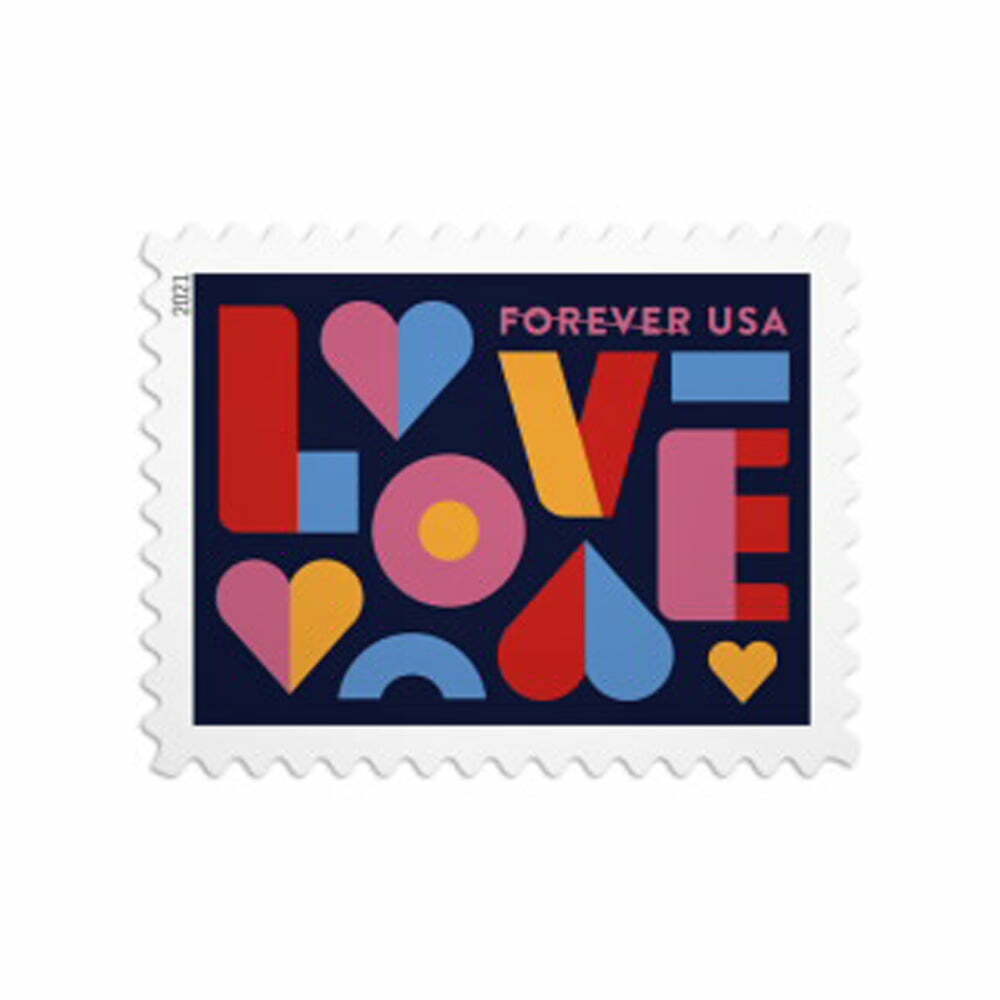
Recommended Bulk Stamp Offers

Design Details and Production Techniques of U.S. Postage
Designing and printing airmail cards required specialized press configurations. Government engravers used steel-die rotary presses to apply crisp lines and vibrant inks to thick card stock. These production methods ensured that the pre-printed stamps were highly resistant to counterfeiting.
For instance, the 33¢ China Clipper card (UXC22) features a detailed illustration of the famous seaplane flying over San Francisco Bay.
This renders The water ripples and sky gradients with incredible precision. The ink formulation was carefully selected to ensure that the stamps would not smudge during the high-speed sorting processes used in regional post offices.
Collectors can find additional historical details and catalog numbers by using search engines like Wikipedia postal history or searching digital archives on Reddit philately discussions. Reference catalogs and archival protective sleeves are widely available on Wikipedia postal history. To check current international shipping regulations and confirm card size limits, mailers can visit the official USA.gov postal services guide portal for comprehensive guidelines.
These resources are invaluable for collectors who want to verify the authenticity of their cards and ensure that their collections are preserved in archival-quality materials that prevent yellowing and paper degradation over time.
The card stock itself is a subject of interest for advanced collectors. Over the years, the postal service experimented with different paper compositions, ranging from bright white cream stock to slightly textured, recycled fibers. These changes were often driven by cost considerations and environmental initiatives.
By analyzing the paper thickness, texture. Fluorescence under ultraviolet light, collectors can identify subtle plate variations and print runs, adding another layer of depth to this fascinating collecting challenge.
How Business Mailers Benefit from Commemorative Issues
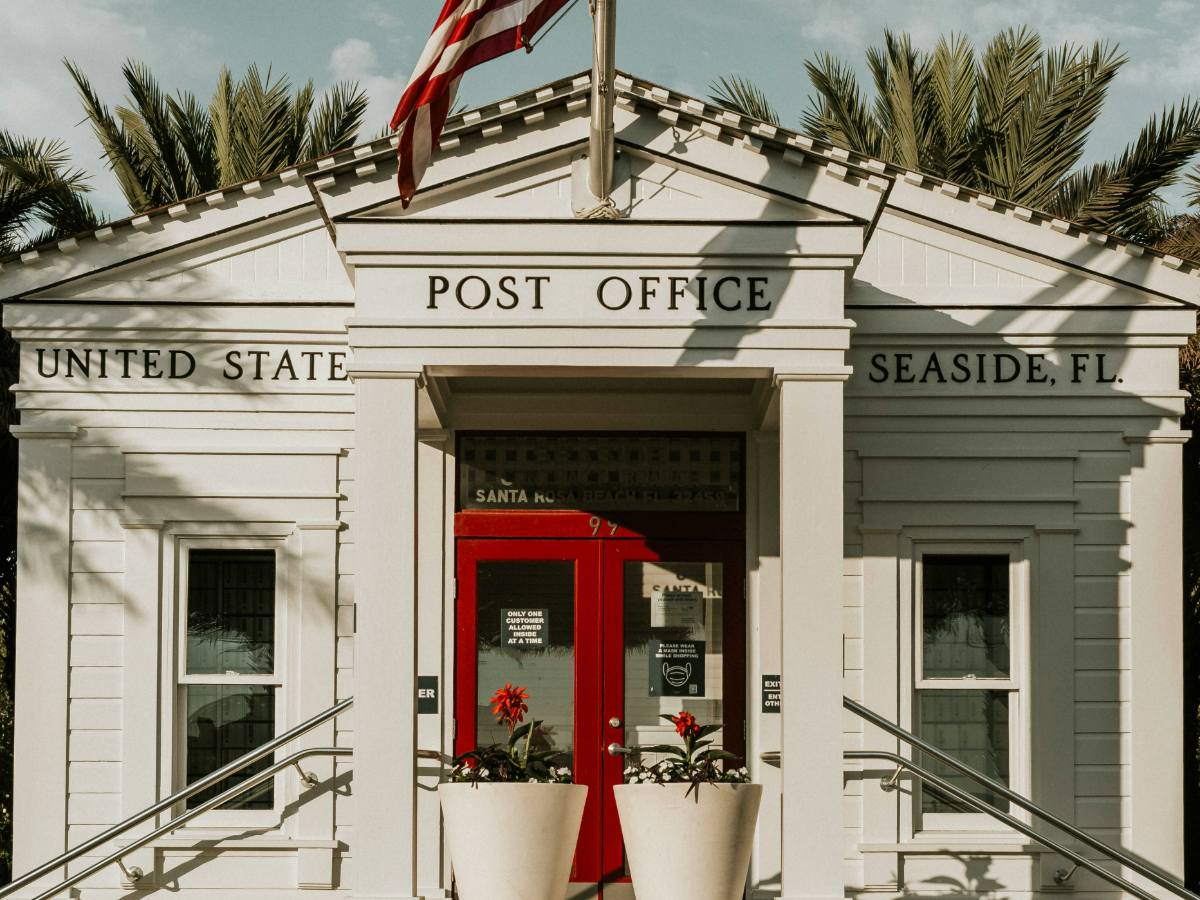
Modern businesses can learn valuable lessons from the visual appeal of vintage airmail cards. An envelope adorned with unique, high-quality postage stands out immediately in a pile of junk mail. Sourcing themed postage, such as Holiday and Wedding stamps, allows companies to add an element of personality to client-facing mailings.
This Significantly increases engagement and customer satisfaction. It transforms a routine billing statement or catalog shipment into a warm, branded experience that communicates respect and care.
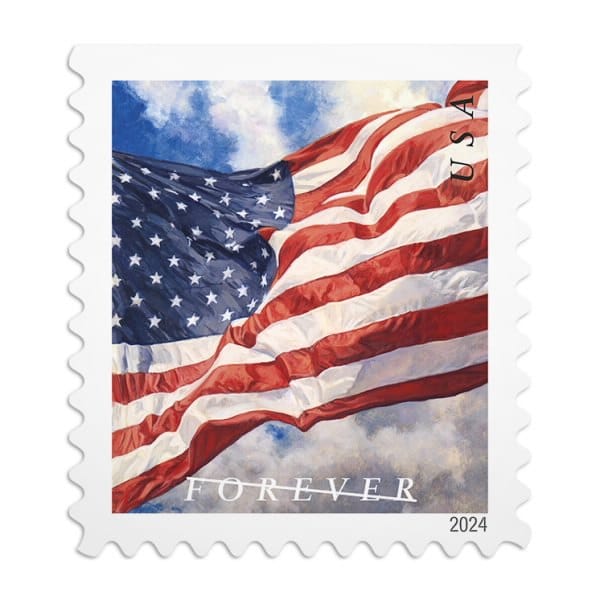
Managing mailing expenses is critical, especially with the scheduled 2027 postage rate increase on the horizon. Buying Forever Stamps in bulk online allows e-commerce shops to secure their shipping rates before prices rise. Sourcing from a reliable supplier is essential; the Forever Stamp Store has spent the past five years helping small businesses and families buy authentic Flag, Flower, Holiday wedding forever stamps online.
By offering a discount of around 10% on genuine postage sheets and rolls, we make it simple to optimize your shipping budget while ensuring fast, secure delivery to any state in the country.
This bulk sourcing strategy protects corporate budgets from inflation and streamlines office mailroom operations.
Additionally, using physical stamps instead of automated metered labels helps build stronger client relationships. In an era where corporate interactions are increasingly automated, the human touch of a hand-applied stamp signals that there are real people behind the business. Many small shops find that their response rates and customer reviews improve when they switch from cold, blue metered ink to vibrant, themed postage sheets, proving that the classic postal aesthetic remains highly relevant in the modern digital economy.
Table 2 Shipping Logistics & Bulk Sourcing Savings?
| Shipping Hub Location | Typical Destination Zones | Standard Sourcing Strategy | Estimated Cost Savings (with 10% Discount) |
|---|---|---|---|
| Los Angeles / West Coast | National & International | Bulk Holiday & Wedding Sheets | Significant (Lock in pre-2027 rates for future campaigns) |
| Houston / Gulf Coast | Southern States | Standard Flag Rolls of 100 | Consistent savings on daily shipping invoices |
| Miami / East Coast | East Coast & Midwest | Flower & Specialty Sheets | Optimized budgets for client outreach mailings |
A Philatelic Checklist for Evaluating Used Airmail Cards
When building a collection of postally-used airmail cards, collectors must develop a keen eye for quality. Unlike mint cards. This Are typically pristine, used cards have traveled through the sorting machines, trucks.
Planes of the postal system. This journey often leaves marks, and distinguishing between acceptable postal history and damaging defects is crucial. The primary factor to consider is the cancel.
An ideal card features a crisp, legible postmark that identifies the date, time.
Location of mailing without obscuring the main design of the pre-printed stamp.
Furthermore, collectors must examine the physical condition of the card stock. The corners should be relatively sharp, without major creases or rounding. Small scuffs or light soil marks are expected and often add to the historical authenticity of the card.
However, Large tears, water stains, or heavy pencil marks can significantly reduce its value.
Finally, collectors should check the destination. A card sent from Los Angeles to a local address is interesting.
However, A card sent from Miami to a small village in Europe or Asia represents a much scarcer postal route.
This makes It a highly desirable piece of transcontinental communication history.
Frequently Asked Questions
Why are used U.S. airmail postal cards more valuable than mint ones?
Most U.S. airmail postal cards were purchased by collectors and kept in albums, meaning unused cards are highly common. However.
This is because Very few cards were actually sent through the mail to foreign destinations, postally-used cards with authentic postmarks are much scarcer and highly sought after by philatelists.
A card that exhibits a genuine commercial message from the period is especially prized as it serves as a historical record of personal and business communication.
What is a first-day cover for an airmail postal card?
A first-day cover is a card postmarked on the very first day it was officially released by the postal service, typically bearing a commemorative ‘First Day of Issue’ cancellation mark. While collectible, they are often less valuable than cards that saw real, everyday commercial use during the period. This is because First-day covers were prepared in large batches specifically for collectors and did not travel through standard international mail streams.
Will Forever Stamps remain valid after the 2027 rate hike?
Yes. All U.S. Forever Stamps are valid for standard domestic letters (or the current one-ounce letter rate) forever, regardless of when they were purchased or how many price increases occur in the future.
This makes purchasing them in bulk a reliable and risk-free way to shield your shipping budget from future postal rate adjustments.
Where can I purchase genuine Forever Stamps in bulk?
You can buy authentic USPS Forever Stamps, including Flag, Flower, Holiday. Wedding designs, directly online from the Forever Stamp Store. We offer secure ordering, a 10% discount.
Fast shipping to California, Texas, New York, Florida, and all other states, helping you keep your mailings elegant and cost-effective.

Stamp enthusiast and part‑time columnist based in Los Angeles. With a background in office administration and a personal passion for collecting Forever Stamps, she provides readers with practical tips on buying, storing, and using stamps effectively.