How to Tell a Real Wholesale Stamp Supplier From a Fake One
How to Tell a Real Wholesale Stamp Supplier From a Fake One
The cheapest wholesale stamp offer on the page is usually the most expensive one you will ever buy. A coil priced at half the Post Office rate does not save you 50 percent. It costs you the postage, the re-mailing, and the mail that never arrives — and the seller is gone before the first envelope comes back. The real question is not how low the price goes. It is whether the seller is real.
Start from the one number that does not move. A Forever stamp costs $0.82 for a one-ounce letter, the rate in place since the USPS price change of July 12, 2026. The Postal Service never discounts its own stamps, so a seller offering a real discount is selling below face value out of its own margin — and that margin is thin. A warehouse club sells a 100-count pack for $81.75, twenty-five cents under the $82 face value. That is what an honest bulk discount looks like: small, boring, and verifiable.
Start with the price math, not the promise
Before you read a word of a seller’s story, do the division. Take the total price, add shipping and handling, and divide by the number of stamps. Then compare the result with the yardstick below.
| Rate (USPS, since July 12, 2026) | Price |
|---|---|
| Forever stamp, 1-ounce letter | $0.82 |
| Additional ounce | $0.29 |
| 2-ounce letter | $1.11 |
| Postcard | $0.65 |
| Nonmachinable letter (total) | $1.31 ($0.82 + $0.49 surcharge) |
| Large envelope, 1 ounce | $1.69 |
| Global Forever stamp, 1-ounce international letter | $1.75 |
| Metered / PC Postage, 1-ounce letter | $0.78 |
Rates checked November 2026.
What the math tells you is simple. A legitimate reseller discount is a few cents per stamp at volume — an illustrative $0.73 a stamp saves nine cents, and that is the right order of magnitude for a high-volume dealer. A discount past about 25 percent below face value has no honest explanation: the U.S. Postal Inspection Service warns that heavily discounted stamps are the counterfeit pattern, and the scale is not small. U.S. Customs and Border Protection seized 161,860 fake Forever stamps in Chicago in February 2025, and the Postal Inspection Service shut down the LabelsBank counterfeit operation in November 2026 in a case involving about $126 million in fake postage. If the price is $0.41 a stamp, you are not buying postage. You are buying a story.
Seven checks before you pay
Run these in order, and stop at the first failure. A real supplier passes all seven without drama.
- Per-stamp math. Total price plus shipping, divided by the stamp count, against the $0.82 yardstick. Watch pack sizes: a book of 20 is $16.40 at face value, a coil of 100 is $82, and some packs hold 90 stamps, not 100 — a “cheap” 90-count pack can cost more per stamp than the Post Office.
- A real business. A physical U.S. address on the site and on the invoice, a verifiable tax ID, and a working phone number answered by a person. A seller that exists only as a messaging-app handle is not a supplier.
- Payment you can reverse. Credit card or PayPal, where a dispute is possible. Never crypto, gift cards, wire transfers, or person-to-person payment apps for a first order.
- A returns policy in writing. What happens if the stamps arrive damaged, short, or suspect — and who pays the return shipping. “All sales final” on a first bulk order is a refusal, not a policy.
- A small test order first. Buy one pack, not ten. Check the stamps under a UV light — genuine tagging glows — and under a loupe, where the microprinting should be crisp and the die cuts even. Mail a few test pieces to yourself before the batch goes out.
- Rate knowledge. Ask which rate covers your mail. A seller that cannot tell a 1-ounce letter from a 2-ounce letter, a postcard from a nonmachinable piece, does not handle real postage.
- Reviews that name real orders. Look for reviews describing actual deliveries — dates, quantities, what arrived — not stock photos and generic praise.
If you are comparing a first bulk order, check the pack sizes and the per-stamp price of wholesale Forever stamps against the $0.82 yardstick above before you send any money. A real supplier’s numbers survive that comparison, and a fake one’s do not.
What a real supplier looks like next to a fake one
| Check | Verified specialist | Too-good-to-be-true vendor |
|---|---|---|
| Price per stamp | A few cents under $0.82 at volume | 25–60% under face value |
| Business identity | Physical U.S. address, tax ID, phone | Messaging app only, no address |
| Payment | Credit card or PayPal | Crypto, gift cards, wire |
| Returns | Written policy, seller pays for defects | “All sales final” |
| Test order | Encouraged; small quantities available | Bulk minimum, pressure to buy big |
| Rate knowledge | Quotes 1-oz, 2-oz, and postcard rates correctly | Confuses denominations |
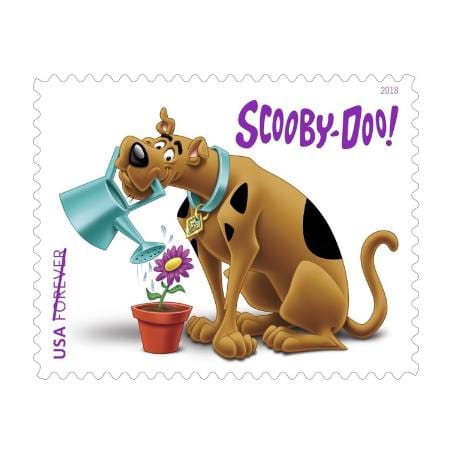
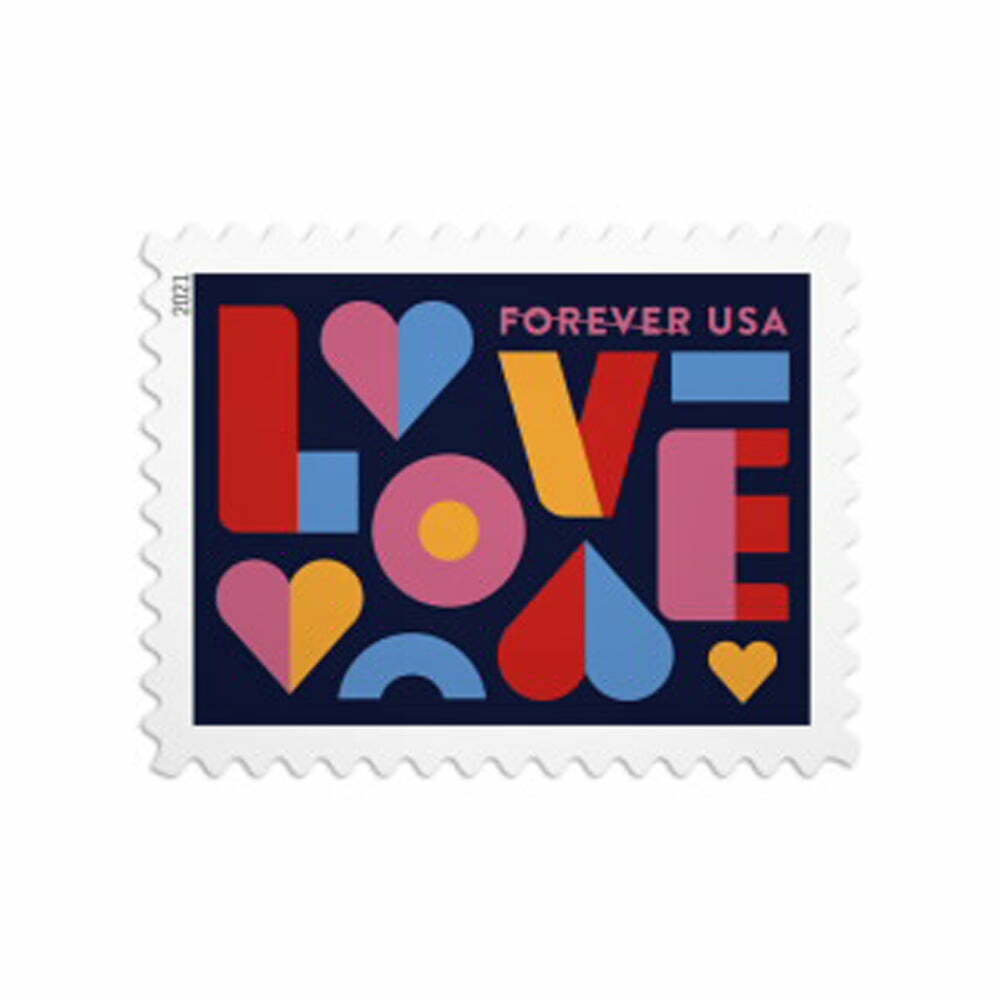
Forever Stamps Worth Checking First


A worked example: 1,200 renewal letters a quarter
Example, with assumptions stated: a membership association mails 1,200 renewal letters every quarter — 4,800 a year, all one ounce, all First-Class. At face value that is 4,800 × $0.82 = $3,936 a year. At an illustrative reseller price of $0.73 a stamp it is $3,504, a saving of $432. Metered postage at $0.78 a piece would be $3,744. A warehouse-club pack at $0.8175 a stamp comes to $3,924.
Now the other side of the ledger. One bad batch of 1,200 fakes costs the $876 paid for them, plus re-mailing 1,200 letters at $0.82 ($984), plus the renewals that arrive late or never. The honest saving is $432 a year. A single fake batch costs more than twice that in one quarter — before anyone counts the lost renewals. That is why the vetting checks above are not paperwork. They are the profit margin.
If the stamps already arrived and something feels off
Do not mail them. Hold the batch and check a few stamps under a UV light and a loupe: genuine tagging glows, microprinting is sharp, die cuts are even, and the paper feels like security paper rather than glossy stock. Photograph anything suspect, contact the seller in writing, and dispute the charge with your card issuer. Report the seller to the U.S. Postal Inspection Service — your report is part of how the next seizure happens. Then replace the batch from the Post Office while the dispute runs, so your mail still goes out on time.
Frequently asked questions
How much should wholesale Forever stamps cost?
Use $0.82 a stamp as the yardstick. An honest bulk price is a few cents under that at volume — a warehouse club sells 100 for $81.75. Anything 25 percent or more below face value is the counterfeit pattern, not a deal.
Can a legitimate seller really sell below $0.82?
Yes, by a few cents, out of its own margin on volume. The Postal Service itself never discounts stamps, so no seller can honestly offer a deep discount on current Forever stamps.
What is the safest first order?
A small one. One pack, paid by credit card, checked under UV light and a loupe, with a few pieces mailed to yourself before the batch goes out. Scale up only after the test order clears.
Do Forever stamps expire?
No. A Forever stamp is always worth the current First-Class one-ounce rate, so stock bought today still mails a one-ounce letter after the next rate change.
The verdict is boring, and that is the point. A wholesale supplier earns trust the same way a stamp earns postage: a real address, a reversible payment, a written returns policy, and a price that survives division. Everything else is a story, and stories do not deliver mail.
Editor’s note: Prices in this guide were checked in November 2026, after the USPS First-Class price change of July 12, 2026. A one-ounce letter costs $0.82 with a Forever stamp; the other rates in the table above are the current USPS figures for the formats shown.

USPS professional based in New York with over 12 years of experience in postal operations. She writes about Forever Stamps, offering practical guidance on safe purchasing and mailing practices while closely following USPS policy updates.