Postal Regulations and Collecting Early U.S. Penny Postal Cards
Postal Regulations and Collecting Early U.S. Penny Postal Cards
The early days of U.S. transcontinental airmail relied on brave pilots navigating visual beacons across intermediate air routes starting in May 1918. Courageous aviators flying Curtiss JN-4 Jenny biplanes established regular mail service between Washington, Philadelphia.
New York, paving the way for modern rapid transit logistics.
This pioneering era demonstrated how the postal service constantly introduced innovative delivery formats to meet the communication demands of a growing nation. Examining early postal formats—from pioneer airmail routes to standardized government postal cards—provides invaluable perspective on how postal regulations evolved to manage high-volume mail streams.
Among the most accessible and affordable postal options introduced in the late 19th century was the government-issued penny postal card. These cards provided rapid, economical communication for citizens and businesses across commercial centers like chicago, Atlanta, Charlotte, and Detroit. Understanding the strict regulations that governed early postal card usage helps modern mailers appreciate how postal rates and classifications have developed.
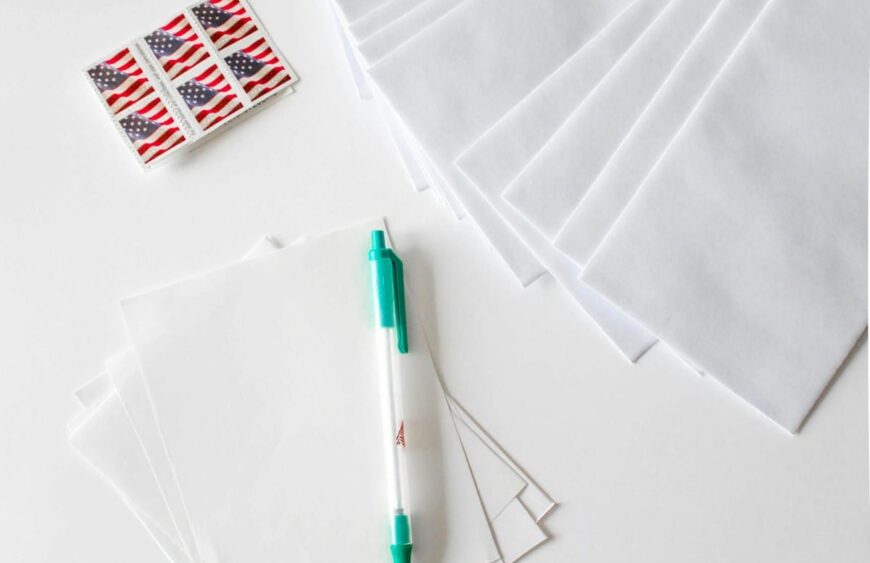
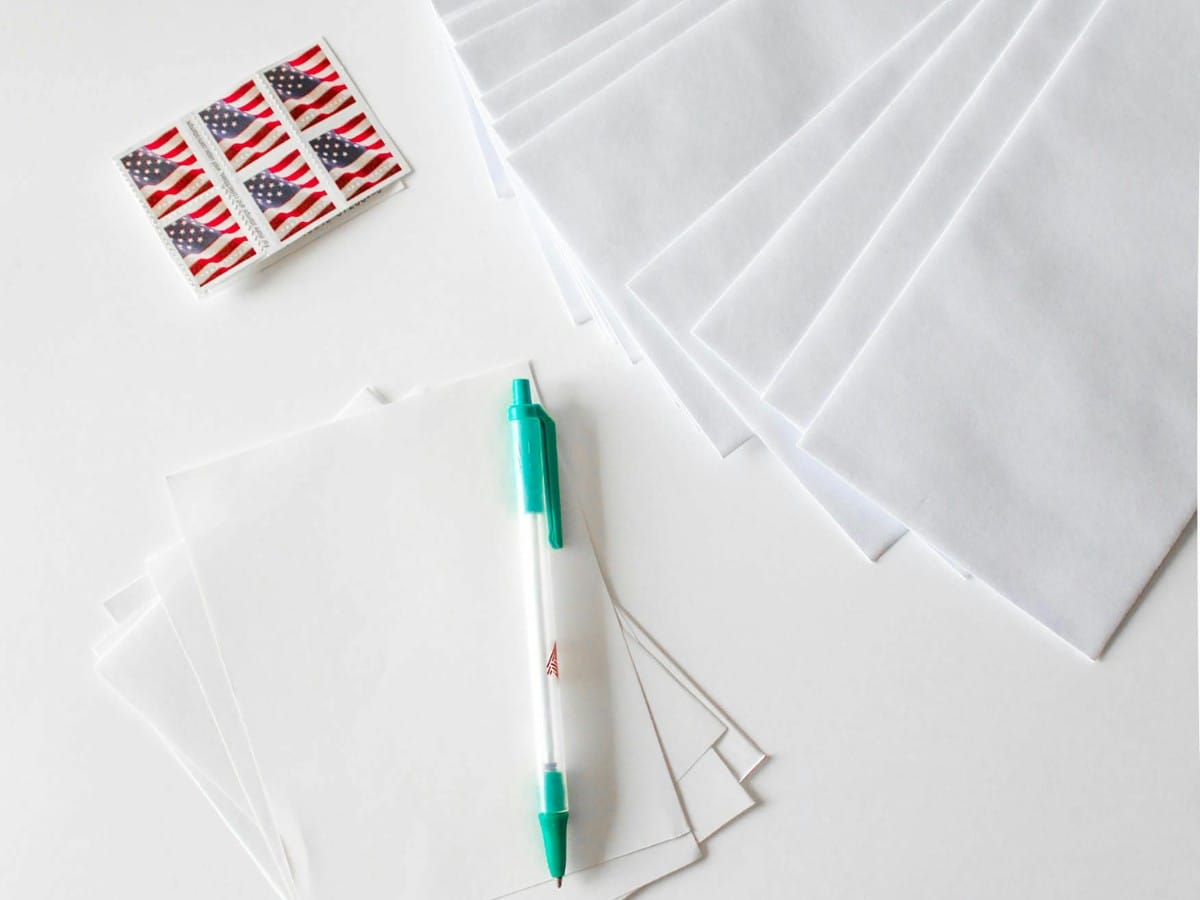
Today, small business owners who distribute seasonal product catalogs or promotional flyers rely on modern Forever stamps to maintain efficient, cost-effective mailing operations.
The emergence of pre-printed postal stationery revolutionized commercial communications across North America. Prior to the introduction of government postal cards in 1873, sending short messages required purchasing separate paper, writing envelopes affixing adhesive stamps. Postal cards streamlined this workflow by integrating cardstock and prepaid postage into a single inexpensive unit.
Businesses quickly adopted postal cards for order confirmations, price announcements.
Customer appointment reminders, establishing a new paradigm for rapid business correspondence.
Table 1 Historical Evolution of U.S. Government Postal Card Rates
| Historical Era | Postal Card Rate | Key Postal Regulation Rules | Surcharge Penalty for Violations |
|---|---|---|---|
| 1873 – 1951 | 1 Cent ($0.01) | No foreign attachments allowed on card surface | Reclassified as First-Class letter rate |
| 1952 – 1958 | 2 Cents ($0.02) | Written text restricted to reverse side initially | Assessed postage-due penalty fees |
| 1958 – 1963 | 3 Cents ($0.03) | Limited paste-on labels authorized with conditions | Subject to letter rate conversion |
| Modern Era | Standard Postcard Rate | Flexible graphics with standard postcard dimensions | Non-machinable surcharge applied if oversized |
Historical Context and Release of the U.S. penny postal cards with a little something extra added Issue
From 1873 until 1952, one of the greatest bargains in American postal history was the government penny postal card. For a single cent, the Post Office Department sold a pre-printed card carrying prepaid postage that guaranteed rapid delivery across the country. However, the privilege of using penny postal cards came with strict operational restrictions.
The sender was required to use the postal card exactly as issued, without attaching external items such as pasted photographs, newspaper clippings, or sample swatches.
If a mailer added anything extra to the card surface, postal clerks immediately reclassified the card as a First-Class letter, charging an additional postage fee upon delivery. Historical collections at the Wikipedia postal history document early card variations.
These strict attachment rules were established to prevent postal card distortion and ensure smooth handling through manual sorting tables and early mechanical cancelers. For a boutique organic farm owner operating in Illinois, sending seasonal lavender product catalogs to customers across Georgia, North Carolina. Michigan requires careful attention to mailing rules and weight standards.
In historical times, adding a small pressed lavender stem or paper coupon to a penny card would trigger postage-due fines.
Modern catalog mailers avoid similar pitfalls by selecting proper envelope formats and applying reliable Flag or Flower stamps to ensure seamless delivery. The owner provide clear instructions to farm catalog packers.
Historical examples of altered penny postal cards featuring unauthorized pasted images or clipping attachments remain prized items among postal history collectors. They illustrate the constant tension between public creativity and rigid postal administration. Studying these historical covers highlights the importance of adhering to postal guidelines to maintain predictable delivery timelines.
Collectors frequently research rare postal cards on secondary markets like Bing search verification to compare card conditions.
The enforcement of postal card regulations required vigilant inspection by postal clerks at receiving stations nationwide. Cards bearing pasted photos or advertising stickers were routinely stamped with “Postage Due” handstamps before being dispatched to recipients. These historical markings now provide fascinating insights into early postal enforcement mechanisms, demonstrating how postal authorities maintained strict standardized physical envelope criteria to prevent machinery jams.
Limited Time Deals: Discount Forever Stamps



Design Details and Production Techniques of U.S. Postage
Early postal cards were printed on heavy cardboard stock using high-speed typographic presses. The pre-printed stamp design—known as a postal indicia—featured profile portraits of historical figures like Thomas Jefferson or George Washington. Printing millions of uniform postal cards required consistent ink application and precise cutting machinery to maintain standardized card dimensions across all regional printing contracts.
Preserving paper collectibles and modern self-adhesive stamp stock requires strict environmental controls. Storage expert recommend keeping unused postage sheets in rooms with a controlled relative humidity of 40-55% RH. High humidity levels can cause cardboard warping, paper foxing, or premature adhesive bonding on self-adhesive stamp panes.
Storing paper items in acid-free archival sleeves prevents oxidation and preserves print vibrancy for decades.
For modern commercial mailers, understanding stamp production techniques guarantees that adhesive stamps maintain superior quality. Quality control measures implemented by security printers ensure that self-adhesive backings remain stable until peeled for envelope application. Proper paper weight selection and adhesive formulation prevent stamps from curling during automated envelope processing in high-speed sorting facilities.
Modern stamp production incorporates sophisticated phosphor tagging that reflects specific light wavelengths when scanned by automated post office facer-cancelers. This security layer ensures that mail processing machines correctly orient envelopes and apply ink cancellations accurately, maintaining fast processing speeds across national mail distribution networks.
How Business Mailers Benefit from Commemorative Issues
Integrating classic adhesive stamps into corporate direct mail strategies yields tangible marketing benefits. Envelopes adorned with patriotic Flag stamps or vibrant Flower stamps project authenticity and care, setting business communications apart from generic mass mailings. Recipients are far more likely to open envelopes featuring genuine postage stamps, leading to increased customer engagement and higher campaign conversion rates.
Historical postal acts are archived on Reddit philately discussions for public research.
Adhering to official postal dimensions and weight classifications ensures that promotional mailings move smoothly through automated processing equipment without unexpected postage-due penalties.
Managing ongoing postal costs involves hedging against inevitable postal rate adjustments. Inflationary rate hikes periodically increase First-Class Mail prices. Sourcing bulk Forever stamps enables business mailers to secure inventory at fixed prices.
Because Forever stamps remain valid for standard 1-ounce First-Class Mail regardless of future rate increases in 2027 or beyond, stocking up today provides long-term financial security for corporate mailrooms.
These stamps was designed for multi-year cost containment.
When planning direct mail campaigns, mailers must carefully distinguish between standard 1-ounce letter rates and heavier multi-page dispatches. A single-card announcement or thin catalog fits within standard 1-ounce limits. However, expanded product booklets or lavender sample mailings weighing between 1 and 2 ounces require 2-ounce rate stamps or additional-ounce postage.
For bulky farm shipments or heavy merchandise boxes, mailers utilize USPS Priority Mail Flat Rate options.
This ensures Fast 2-to-3 day delivery with integrated tracking across all regional zones.
Table 2 Modern Postage Rates and Shipping Solution Overview
| Postage Category | Weight Capacity | Ideal Business Mail Application | Key Economic Benefit |
|---|---|---|---|
| First-Class Letter Stamp | Up to 1 ounce | Standard farm newsletters and billing statements | Permanent rate hedge with Forever stamps |
| First-Class 2-Ounce Stamp | 1 to 2 ounces | Seasonal product catalogs with inserts | Prevents recipient postage-due penalties |
| Standard Postcard Stamp | Standard card size | Quick customer reminders and event invites | Economical short-format communication |
| Priority Mail Flat Rate Box | Up to 70 pounds | Bulk lavender gift sets and organic goods | Fixed shipping cost regardless of distance |
Streamlining Corporate Shipments with Bulk Sourced Postage
Establishing efficient mailroom workflows is essential for growing businesses handling high mailing volumes. Sourcing bulk Forever stamp sheets from reputable suppliers ensures that administrative staff always have immediate access to high-demand stamp designs. Purchasing discount postage stock in volume reduces unit costs and minimizes administrative overhead associated with frequent postage reordering.
Business guidelines can be cross-referenced on eBay collectible cover auctions for regulatory compliance.
Operational efficiency improves when staff members systematically pre-sort outgoing envelopes by weight and envelope thickness. Boutique farms operating in chicago and dispatching mail to regional centers in Atlanta, Charlotte. Detroit can streamline fulfillment by organizing catalog mailings into distinct weight tiers.
Utilizing clear labeling and automated sheet dispensers speeds up envelope processing during peak seasonal promotions.
By learning from historical postal regulations and implementing strategic mailroom procedures, modern business mailers optimize both delivery speed and postal expenditure. Combining discounted Forever stamps for standard correspondence with Priority Mail options for product parcels delivers a robust, reliable logistics system. Maintaining organized postage reserves empowers small businesses to execute seasonal marketing campaigns with complete budget confidence.
Frequently Asked Questions
What happened if a sender added an attachment to an early U.S. penny postal card
If a sender added an external attachment such as a photo or newspaper clipping to a penny postal card, the post office reclassified the card as a First-Class letter and charged an extra postage fee. Modern mailers can buy reliable postage at the forever stamp store to avoid delivery issues. Strict rules prohibited foreign attachments to maintain uniform card handling.
How do bulk Forever stamps protect businesses against future postal rate hikes
Bulk Forever stamps retain full postage value for standard 1-ounce First-Class letters regardless of future rate increases. This allows Mailers who buy from a discount forever stamps store to hedge against rate inflation in 2027 and beyond. Stocking Forever stamps locks in current postage rates permanently.
What is the ideal relative humidity level for storing stamp inventory
The ideal relative humidity level for storing stamp inventory is between 40-55% RH in a climate-controlled room. Maintaining this humidity range prevents self-adhesive backing paper from curling and safeguards the adhesive layer against premature breakdown.
Why is using proper 2-ounce postage important for multi-page catalogs
Using proper 2-ounce postage for catalogs weighing over 1 ounce prevents envelopes from being delayed or delivered with postage-due charges. Ensuring exact postage application maintains professional relationships with customers and avoids administrative re-mailing costs.
What are the advantages of using Flag stamps for corporate promotional mail
Flag stamps project a professional, patriotic appearance that catches the recipient’s eye and distinguishes corporate mail from standard bulk marketing clutter. Genuine physical stamps boost envelope open rates and build trust with clients.

Currently working at USPS in Chicago, he has more than 15 years of experience in bulk mailing and logistics. His columns focus on Forever Stamp trends, helping businesses and individuals make cost‑effective mailing decisions.