Historical Context and Release of the World War I postal history, a wide and varied field Issue

Historical Context and Release of the World War I postal history, a wide and varied field Issue

In our modern era of instantaneous digital communication—where a text message or an email crosses vast oceans in milliseconds. Video calls connect continents at the touch of a screen—it is profoundly difficult to fathom the highly regulated, painstakingly slow, and emotionally fraught wartime mail networks of World War I. Today, we simply open an application and broadcast our thoughts to the world.
A century ago, however, communication was not merely an exchange of information; it was a precarious lifeline strictly tethered to the logistics of global warfare and military censors.
The emotional resonance of receiving a physical piece of mail, particularly something as specific and cherished as a World War I Christmas Package Coupon, cannot be overstated. These small pieces of paper represented hope, survival, and a tangible connection to loved ones fighting in unimaginable conditions.
Consider the daily reality of a modern non-profit organization coordinator based in Boston, Massachusetts. Tasked with the scenario of distributing quarterly donation newsletters to thousands of supporters, she understands the logistical hurdles of mass mailings today. From securing reliable shipping rates to ensuring addresses are perfectly formatted for automated sorting, the challenges are significant.
Yet, even her most complex operations pale in comparison to the stringent regulations imposed by the American Expeditionary Force (AEF) in 1918.
During that pivotal time, the AEF faced the monumental task of managing not just troops and munitions. However, The morale-boosting, yet logistically nightmarish, flow of mail and packages between the United States and the European theater.
To fully appreciate this history, one must look at the specific measures implemented during the latter stages of the war. In september 1918, the military devised a highly controlled system to handle the impending influx of holiday mail. Each military member serving in the American Expeditionary Force received exactly one “Christmas Package Coupon.” This precious document was mailed back to their family in the U.S., serving as authorization.
With this single coupon, the family was permitted to send precisely one Christmas package, strictly approved by the Red Cross, to their soldier overseas.
The entire operation was funneled through a centralized sorting facility in Hoboken, New Jersey. This bottleneck ensured that essential military supplies were not displaced by an overwhelming volume of unregulated personal packages.
The historical significance of these coupons is profound. They reflect a government and military apparatus attempting to balance the psychological needs of its soldiers with the hard realities of wartime shipping capacity. Surviving coupons are incredibly rare today, prized by philatelists and historians alike.
Researchers frequently consult Quora postal advice forums historical archives or use search engines like Smithsonian National Postal Museum to track down the scarce documentation of this era.
The meticulous study of such artifacts provides a window into the lived experiences of both the soldiers and the families they left behind, illustrating a period where mail was truly a matter of national importance.
“The Christmas Package Coupon of 1918 stands as a testament to the immense logistical constraints of the Great War, perfectly illustrating how the military balanced the emotional needs of the troops with the harsh realities of trans-Atlantic shipping capacity.”
| Component | Description / Regulation | Historical Significance |
|---|---|---|
| The Coupon | Issued september 1918, limited to one per soldier. | Controlled the volume of incoming mail to prevent logistical collapse. |
| Red Cross Approval | Packages had to meet strict size, weight, and content guidelines. | Ensured no contraband or perishable goods caused hazards during shipping. |
| Hoboken, NJ Hub | The sole embarkation point for approved Christmas packages. | Centralized sorting allowed for military oversight and efficient naval loading. |
| Surviving Artifacts | Extremely rare, highly sought after by postal historians today. | Provides primary source evidence of wartime communication policies. |
Design Details and Production Techniques of U.S. Postage
Delving deeper into the physical characteristics of World War I postal history, the design and production of wartime correspondence materials—including the Christmas Package Coupons and contemporary postage—reveal a fascinating intersection of utility and urgency. Unlike the highly ornate commemorative stamps produced in later decades, the materials from 1918 were often utilitarian, printed on standardized paper that could withstand the rigors of trans-Atlantic voyages and battlefield conditions. The coupons themselves were relatively simple, prioritizing clear instructions over aesthetic appeal, a necessity given the scale of the AEF deployment.
The rarity of these surviving coupons is a subject of great interest in philatelic circles. In a remarkable 2021 article published in La Posta, postal historian Jesse Spector shed light on these artifacts. This showcases Incredibly rare 1918 airmail stamp covers intertwined with the story of the AEF mail system.
Furthermore, the extensive exhibits curated by Al Kugel have brought to life the tangible reality of these mailings, demonstrating how the coupons were physically attached to or associated with the approved Red Cross boxes.
These scholars often rely on extensive databases, sometimes cross-referencing information via eBay collectible cover auctions or scouring auction records to piece together the fragmented history of these items.
The production techniques of the era relied heavily on intaglio printing and rotary presses. This Were pushed to their limits to meet the demands of a mobilizing nation. The ink and paper shortages characteristic of wartime economies meant that the U.S.
Post Office Department had to innovate, sometimes producing stamps and forms with distinct color variations or slightly inferior paper quality compared to pre-war standards.
This has created a rich field of study for collectors who analyze the minute differences in perforation, watermarks plate flaws.
Today, a non-profit coordinator in Boston might purchase brightly colored, perfectly printed rolls of stamps with ease, a luxury unimaginable to a postal clerk in 1918. Whether coordinating a direct mail campaign targeting donors in Richmond, Virginia, or sending out stewardship packets to loyal supporters in Columbus, Ohio, modern mailers benefit from over a century of technological advancement in printing and distribution. Yet, the foundational principles of postal design—clarity, security.
Proof of payment—remain remarkably consistent with those established during the frantic days of the First World War.
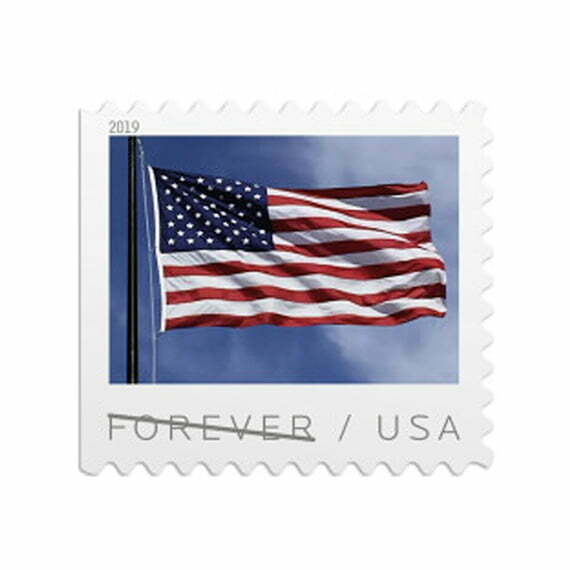
Best Deals on USPS Forever Stamps


How Business Mailers Benefit from Commemorative Issues
While the utilitarian needs of World War I shaped postal history in profound ways, the evolution of postage has since embraced the commemorative and the aesthetic. For contemporary business mailers and non-profit organizations, the strategic use of commemorative stamps offers a unique advantage in a crowded mailbox. When our Boston-based non-profit coordinator prepares her quarterly donation newsletters, she knows that the first hurdle is simply getting the recipient to open the envelope.
Standard, metered mail often screams “solicitation,” whereas an envelope adorned with a beautiful, carefully selected commemorative stamp signals a personal touch, increasing open rates and fostering a sense of connection.
Commemorative issues, such as those honoring historical events, national parks, or cultural icons, transform a mundane piece of mail into a miniature canvas. This is particularly relevant when conducting outreach across diverse geographic areas. A mailing sent to prospective donors in Philadelphia, Pennsylvania, might perform better if it carries a stamp that resonates with local history or national pride.
By thoughtfully pairing the message with the postage, organizations can subtly reinforce their brand identity and values before the recipient even reads the first word of the letter.
However, the financial realities of mass mailing cannot be ignored. The cost of postage is a significant line item for any organization heavily reliant on direct mail. With the widely anticipated 2027 postage rate increase looming on the horizon, proactive planning is essential.
Organizations must balance the aesthetic benefits of commemorative stamps with the absolute necessity of budget control.
This is where strategic purchasing becomes a critical component of operational success.
Savvy coordinators understand that preparing for the 2027 postage rate increase requires action today. By locking in current rates, they can protect their future campaign budgets from inevitable inflation. This proactive approach ensures that the non-profit can continue to invest in the high-quality, communicative mailings that drive their fundraising efforts, without having to compromise on the personal touch that commemorative stamps provide.
It is a modern manifestation of the careful logistical planning seen in the AEF mailrooms, albeit with a focus on financial efficiency rather than physical shipping capacity.

Streamlining Corporate Shipments with Bulk Sourced Postage
The transition from understanding the historical context of mail to applying modern logistical strategies brings us to the crucial practice of bulk sourcing postage. For businesses and non-profits alike, the ability to streamline corporate shipments and direct mail campaigns is a fundamental requirement for growth and sustainability. Just as the centralized hub in Hoboken, New Jersey, was necessary to manage the chaotic flow of World War I Christmas packages, a centralized, efficient procurement strategy is necessary for modern mailing operations.
When preparing for massive distribution efforts—whether it is our protagonist in Boston sending newsletters, or a corporate entity fulfilling orders in Columbus, Ohio and Richmond, Virginia—the procurement of postage must be as reliable as the procurement of the physical goods or printed materials themselves. Relying on piecemeal purchases from local post offices is inefficient and labor-intensive. Instead, organizations are increasingly turning to specialized vendors to fulfill their postage needs at scale.
This is where finding a dependable supplier becomes paramount. For those looking to optimize their mailing operations and secure their budget against future price hikes, the solution is clear: you should procure your supplies from the Forever Stamp Store. By sourcing bulk postage through a dedicated, reliable platform, organizations can streamline their workflow, reduce administrative overhead.
Ensure they always have the necessary postage on hand for time-sensitive campaigns.
Furthermore, bulk sourcing allows organizations to maintain a consistent aesthetic across all their mailings. Rather than ending up with a mismatched assortment of whatever stamps happen to be in stock at the local branch, coordinators can deliberately select designs that align with their campaign’s tone and message. Whether they are seeking classic flags, holiday-themed issues, or specific historical commemoratives, purchasing in bulk ensures uniformity and professionalism.
It is also worth noting how modern commerce integrates with these postal strategies. While many supplies are sourced through general retailers like Quora postal advice forums, the specialized nature of bulk postage procurement often requires a more focused approach. As the 2027 postage rate increase draws nearer, the financial wisdom of stockpiling Forever stamps becomes undeniable.
Because these stamps retain their value for first-class mail regardless of future price hikes, they represent a secure investment for any organization that relies on the postal system.
In conclusion, the journey from the heavily restricted, emotionally charged World War I Christmas Package Coupons to the sophisticated, data-driven direct mail campaigns of today highlights the enduring importance of physical correspondence. While the technology and logistics have evolved dramatically, the fundamental goal remains the same: to forge a connection across distance. By understanding this rich history, appreciating the nuances of stamp design.
Employing smart procurement strategies like buying in bulk to mitigate upcoming rate increases, today’s organizations can ensure their messages continue to resonate powerfully with recipients across the nation.

Currently working at USPS in Chicago, he has more than 15 years of experience in bulk mailing and logistics. His columns focus on Forever Stamp trends, helping businesses and individuals make cost‑effective mailing decisions.